
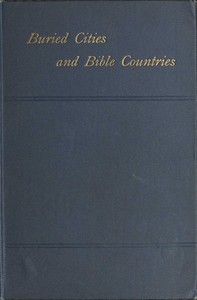
Buried Cities and Bible Countries by George St. Clair
George St. Clair's Buried Cities and Bible Countries is a fascinating snapshot of archaeology in its infancy. Published in 1891, it captures the raw excitement of a field that was just beginning to use science to investigate ancient texts. St. Clair acts as our tour guide, leading us through the major digs and discoveries of the 19th century in the lands of the Bible.
The Story
The book isn't a novel with a single plot, but a series of expeditions. St. Clair takes us from the great mounds of Mesopotamia, where explorers uncovered the palaces of Assyrian kings, to the sands of Egypt and the rocky hills of Palestine. He walks us through the process: how these 'tells' (ancient city mounds) were identified, the painstaking work of excavation, and the moment of discovery—whether it's a broken tablet, a colossal statue, or the foundations of a forgotten wall. The central thread is the quest to connect these physical objects with the stories and places named in the Bible. Each chapter feels like opening a new crate of artifacts fresh from the field.
Why You Should Read It
What makes this book special is St. Clair's voice. He's not a cold scientist; he's a passionate enthusiast caught between faith and fact. Reading him, you feel the genuine awe of someone seeing the Hittites or the Assyrians move from mythical biblical nations into verified historical peoples. He grapples openly with what it all means. Does finding Nineveh prove the Book of Jonah? His wrestling with these questions is more compelling than any modern, polished documentary. It's the history of history being written, complete with all its uncertainties and wonder. You get a real sense of how world-shaking these discoveries were for Victorian society.
Final Verdict
This is a perfect read for anyone who loves history, archaeology, or the Bible and wants to feel the 'ground-level' thrill of its early exploration. It's for the curious reader who enjoys primary sources and hearing about discovery from someone who was there (or was eagerly reading the reports as they came in). Be prepared for some Victorian-era perspectives, but that's part of the charm—it's a time capsule of thought. If you want a neat, modern summary of Middle Eastern archaeology, look elsewhere. But if you want to stand shoulder-to-shoulder with the pioneers as they wiped the dirt from their first major find, St. Clair is your man. A truly engaging portal to the past.
This content is free to share and distribute. It is now common property for all to enjoy.




Deborah Hernandez
4 months agoHonestly, the author's voice is distinct and makes complex topics easy to digest. Exactly what I needed.